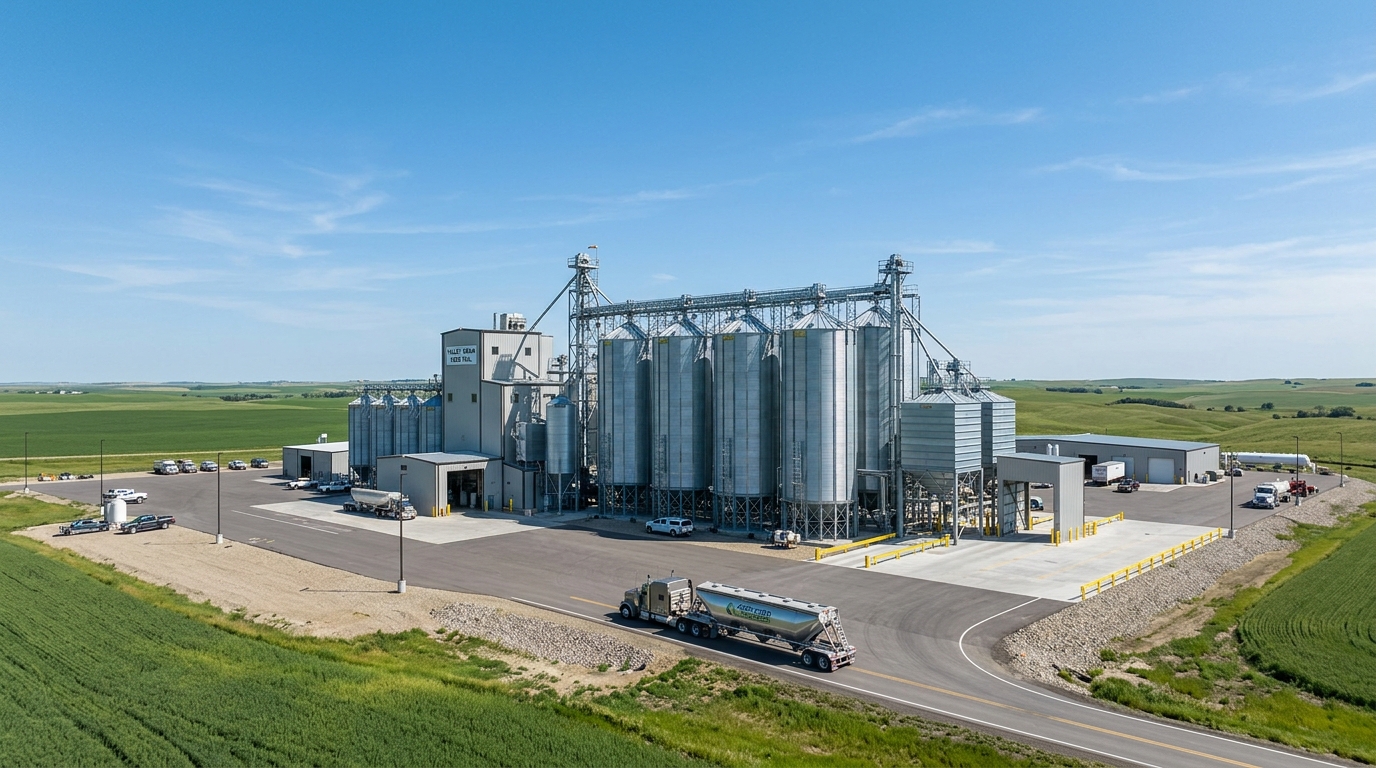
A comprehensive guide to maintaining feed quality, ensuring proper homogeneity, and preventing spoilage in your silos.
From Formula to Feeder
Having a perfect least-cost formula on paper is useless if the feed is not mixed correctly or stored properly. The physical quality of the feed directly impacts the biological performance of the flock.
The Importance of Homogeneity (CV%)
Mixing is the heart of the feed mill. The goal is to achieve a Coefficient of Variation (CV) of less than 10%. If the feed is not mixed uniformly, some birds will consume toxic levels of micro-ingredients, while others will suffer from deficiencies.
- Mixing Time: Follow the manufacturer's recommended mixing time (usually 3 to 5 minutes for twin-shaft paddle mixers).
- Ingredient Sequencing: Add macro ingredients (corn, soy) first, followed by micro-ingredients (premixes), and finally liquids (oil).
- Equipment Maintenance: Worn ribbons or paddles significantly reduce mixing efficiency.
Preventing Spoilage and Mycotoxins
Feed is organic and highly susceptible to mold growth, which produces lethal mycotoxins.
Always monitor the moisture content of raw materials (keep it below 12-14%). Ensure storage silos are waterproof and well-ventilated. Using mold inhibitors and toxin binders in the formula is a standard insurance policy against contaminated raw materials.